
Enjoy a free 30-day trial of our
data validation software.Experience the power of trusted data
solutions today, no credit card required!Enjoy a free 30-day trial of our
data validation software.Experience the power of trusted data
solutions today, no credit card required!Enjoy a free 30-day trial of our
data validation software.Experience the power of trusted data
solutions today, no credit card required!Enjoy a free 30-day trial of our
data validation software.Experience the power of trusted data
solutions today, no credit card required!
How to optimize the checkout process for ecommerce platforms


There’s no question that shopping has transformed into an effortless act. Long gone are the days of rolling out of bed, starting up your car, and mentally preparing to stand around waiting in long checkout lines. So, it should come as no surprise that a large percentage of Americans now engage in the convenience of buying their goods online. Yet given the rise in virtual shopping, many eCommerce businesses still confront the roadblock of getting their customers to finalize their transactions.
If you’re like most business leaders, this leaves you with one very important question—how do I optimize the checkout process for my clients? In this article, we’ll delve deeper into shopping cart abandonment and help you identify quick and easy strategies to weave into your business plan to maximize online sales by perfecting the shopping experience.
Why do customers abandon at checkout?
If a client lands on your page, browses your online products, and adds them to a virtual cart, all signs point to them being interested in your company and what it has to offer. So why, then, do they go through this effort just to abandon your website at checkout?
The truth is, there are dozens of factors at play that may cause prospective customers to leave your website prematurely. While you can’t be certain without an exit intent survey, here are a few common problems:
- Complicated or confusing checkout process: If your customers have to fill out contact information without an autofill option, they may find the checkout process to be too inconvenient—especially when your competitors may have a simplified checkout process on their site.
- Concerns surrounding data security: Does your website seem spammy or unsecured? If so, users may be hesitant to pass over valuable personal information, including their name, phone number, and address—key data components that are often required at checkout.
- Technical issues: When users shop online, they anticipate a quick and effortless experience. If your website often presents slow-loading pages that fail to let the user checkout in a reasonable amount of time, it may be the reason behind your higher shopping cart abandonment rates.
Optimizing the eCommerce checkout process
Despite the common issues we outlined above, there are a few strategic ways to finalize virtual sales and help your business nail its performance KPIs. Here are several key points to keep in mind when mapping out your eCommerce strategy:
Data management equals happier customers
Data quality automation and investment can have a far-reaching impact on the customer experience. Businesses that prioritize accurate, well-managed data are better positioned to reduce friction, minimize errors, and build stronger relationships with their customers.
In simpler terms, investing in data management is a fundamental step in optimizing the checkout process. But how?
With an organized and streamlined data management plan, you can segment your audiences more effectively, maintain secure and up-to-date information, and reduce errors that negatively affect fulfillment and communication.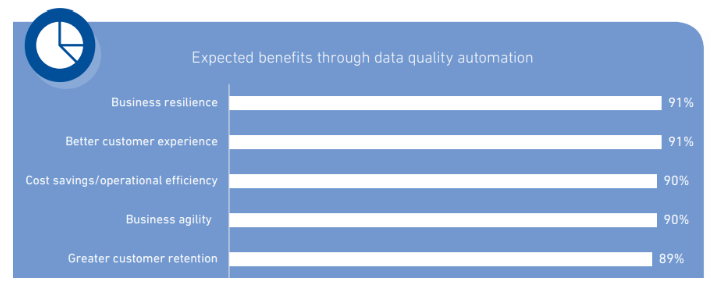
Streamlined checkout simplifies the shopping experience
Shopping should be a stress-free act. When users check out on your site, do they have an effortless experience with autofill options and intelligent prompts? If not, investing in real-time data solutions can significantly streamline the process while helping you capture accurate information at the point of entry.
Consider leveraging address verification to reduce the number of keystrokes required from the user, allowing for a simplified checkout process. Once integrated into your system, address verification provides users with a drop-down selection of validated addresses as they begin typing. Not only does this reduce data entry time, but it also helps ensure proper spelling and formatting.
Accurate contact data provides peace of mind for delivery
Optimizing what happens after a user checks out is just as important as what happens during the checkout process. To maximize ROI and reduce unnecessary risk, you want to increase the likelihood of successful delivery while keeping customers informed along the way.
Help ensure your business captures accurate data at the point of entry with tools such as real-time address verification, phone verification, and email verification. With validation processes in place, you can capture valid, correctly formatted, and legitimate customer data from the start.
Human error can prevent users from receiving order confirmation emails, text updates, or even their packages entirely. If a prospective customer mistypes their contact information, real-time error messaging allows them to correct the issue immediately—reducing downstream complications.
Data management and shopping cart success go hand in hand
While eCommerce continues to grow, not every online shopping experience will result in a sale. To decrease shopping cart abandonment rates, implementing a strong data management strategy is essential.
Accurate contact data allows you to precisely reach your audience, fulfill orders successfully, and provide a seamless checkout process. When customers experience ease, accuracy, and reliability, they’re more likely to complete their purchase—and return again.
Interested in getting started? Reach out to a data quality specialist to explore your options and create a customized plan suited to your company’s needs.
Resources:
1eCommerce US. Statistica. https://www.statista.com/outlook/dmo/ecommerce/united-states